“All America” search results (7000)

The taste of all kinds of coffee beans introduces the characteristics of coffee beans
Mantenin (Indonesia, Sumatra, Asia) Acid 0 Glycerol 3 Alcohol 3 aroma 3 characteristic Flavor Blue Mountain (Jamaica, Central America, West Indies) Acid 1 Glycerol 3 bitter Alcohol 3 aroma 3 the highest quality Columbia (Colombia, South America) Acid 2 Glycerol 3 bitter Alcohol 3 aroma 2 most Standard quality Mocha (Isbiya, Africa) Acid 3 Glycine 2 bitter 1 Alcohol 2 aroma 2
2016-06-08 All kinds of coffee beans taste introduction characteristics Mante Indonesia Sumanda Asia special
Introduction to the method of describing the characteristic Flavor of Coffee beans in Latin America
Characteristics of flavor description of coffee beans in Latin America Central and South America is the largest coffee producing area in the world, and there are numerous boutique coffees here. Take Colombia, Guatemala or Brazil as an example, good coffee is enough to make people dazzling. What is the resource advantage that makes Central and South America so good? French naval officer Gabriel Mat in 1721
2016-10-20 Latin America coffee beans characteristics flavor description treatment variety taste grinding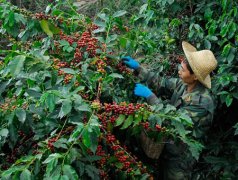
Coffee beans from all regions, coffee beans from America
Central and North America 1. Guatemala (on behalf of coffee: Antigua, Vivetna fruit) Guatemala coffee has strong regional characteristics, generally high standards, in recent years has produced a lot of coffee with both herbal and fresh fruit aroma, and its traceability is very good, with quality assurance. Antigua coffee is slightly sour, fragrant and glycol, with a slightly volcanic carbon flavor, which makes Guatemalan coffee especially.
2016-06-08 Regions representatives coffee beans America North America Guatemala coffee Antioch
Dirkley's "Father of Coffee trees in Central and South America"
In the middle of the 18th century, cafes were opened in major cities in Europe, and the huge demand for coffee led to the popularity of growing coffee in Central America. At present, most of the Tibica coffee trees in Central America are related to the coffee mother tree transplanted by Deckley. In 1777, 19 million coffee trees were planted on Martinique Island alone. Haiti, Puerto Rico and Cuba in the Caribbean followed suit to grow coffee.
2015-02-12 Klee Central and South America Coffee Father of Coffee 18th Century Mid-Mid Cafe all over Europe
Dirkley-- the Father of Coffee trees in Central and South America
In the middle of the 18th century, cafes were opened in major cities in Europe, and the huge demand for coffee led to the popularity of growing coffee in Central America. At present, most of the Tibica coffee trees in Central America are related to the coffee mother tree transplanted by Deckley. In 1777, 19 million coffee trees were planted on Martinique Island alone. Haiti, Puerto Rico and Cuba in the Caribbean followed suit to grow coffee.
2015-04-02 Klee Central and South America Coffee Father of Coffee 18th Century Mid-Mid Cafe all over Europe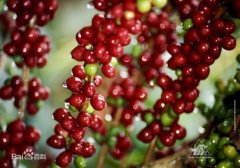
Boutique coffee beans of Latin America in the coffee country
Latin America (Latin America) in 1721 French naval officer de Klee (Gabriel Mathieu de Clieu) experienced difficulties and obstacles to bring the first coffee sapling from Africa to the Latin American island of Martinique, which was the origin of coffee cultivation in Latin America. Because at that time, France was under the reign of the Bourbon dynasty, and what was grown in Latin America
2016-05-10 Coffee country Latin America boutique coffee beans Latin A
soft, silky Colombia coffee in northwest south America
The National Coffee Management Association of Colombia, like Kenya's National Management Association, is a model for coffee organizations. Colombia is more concerned with product development and production promotion than other producing countries. It is this, coupled with its superior geographical and climatic conditions, that makes Colombia coffee delicious and famous all over the world. Coffee's status in Colombia is illustrated by the following examples
2016-06-21 Location South America Northwest Taste Soft Smooth Colombia Coffee Introduction
Nicaraguan coffee with rich mellow and fragrant flavor in central Central America
Madriz is an ecological coffee with a very hard shell. In the pure natural planting environment, it uses more complex operations to maintain the delicate aroma and taste of the coffee; it is produced in northern Nicaragua between Matagalpa and Jinotega, with an average annual rainfall of 1500-1700mm and a temperature of 20-29 degrees Celsius. All use manual selection of coffee.
2016-07-01 Rich mellow and also fragrant taste Nicaragua coffee Central America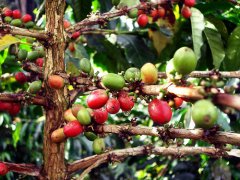
Latin American (Latin America) Peruvian coffee, tea, Mayu, mellow American coffee.
Boutique coffee (specialty coffee) is also called specialty coffee selection coffee. It refers to coffee made from a small number of raw beans with excellent taste grown in an ideal geographical environment. Depending on the special soil and climatic conditions in which they grow, they have outstanding flavor. After strict selection and classification, this kind of coffee is hard in texture, rich in taste and stylish.
2016-06-29 Latin America Latin America Peru Coffee Chan Tea Mayo
Traditional coffee drinkers in southern Europe and Latin America
People in the Middle East are obsessed with the basic way of drinking, roasting coffee beans deep to near dark (DarkRoast), usually ground into a very fine powder, and then boil several times and then add sugar to form a small cup of coffee that is extremely thick, bitter, sweet and precipitated. People sipped this small cup of coffee in an elegant and courteous manner. Southern Europeans and urban Latin America
2015-06-13 Countries drinking coffee traditions southern Europeans Latin America the Middle East regions people
Located in the northwest of South America, Columbia Coffee Culture Coffee Manor introduces the characteristics of Lazmus Village.
Colombia is located in northwestern South America, bordered by the Pacific and Atlantic oceans. Panama in the northwest, Venezuela in the east, Brazil in the southeast, Peru in the south and Guadore in the southwest. Colombian Coffee Culture in 1808, a priest first introduced coffee to Colombia from the French Antilles via Venezuela. Today the country is the second largest after Brazil
2016-07-19 Located in South America Northwest Colombia Coffee Culture Coffee Manor producing area Special
The world's major coffee producing areas introduce the basic knowledge of fine coffee coffee beans represented by all continents
Coffee comes from coffee beans, which are harvested and processed from the fruit of trees. Coffee trees grow at the center of the equator, between latitudes of 25 degrees south and north, and are called the homes of tropical or subtropical countries called coffee belts. At present, there are about 60 coffee-producing countries. Coffee is produced in South America, Central America, the West Indies, Asia, Africa, Arabia, the South Pacific and
2016-04-29 World main coffee producing area introduction boutique knowledge continent representative
Columbia Coffee Flavor Manor in Northwest South America introduces Lazmus Manor
The National Coffee Management Association of Colombia, like the National Management Association of Kenya, is a model of coffee organization. Compared with other producing countries, Colombia is more concerned with developing products and promoting production. It is this, coupled with its superior geographical and climatic conditions, that makes Colombian coffee excellent in quality and delicious and famous all over the world. The status of coffee in Colombia comes from the following examples
2016-07-27 Located in South America Northwest Colombia Coffee Flavor Manor introduction Raz
Peruvian organic coffee beans, a major coffee producer in western South America
Peruvian coffee, famous for its organic coffee. Peru (Spanish: Per; Quechua, Aymara: Piruw), the full name of the Republic of Peru (Spanish: Repblica del Per), is a country in western South America. Coffee origin: Peru (Peru) is also a major coffee producer. Up to 98% of Peruvian coffee is grown in forest areas, and most producers are
2014-07-22 Peruvian organic coffee beans fine single organic coffee beans organic coffee beans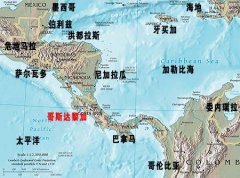
Coffee's third world--China and America
Friends who like coffee know Africa because of Ethiopia, know South America because of Brazil, enter the Caribbean Sea because of Blue Mountain, yearn for Hawaii because of Kona. Of course, these are coffee paradise that coffee friends have to know, but there is also a team that is neither old nor novel enough, but it is coffee belt, especially fine coffee.
2014-09-01 Coffee aroma fine coffee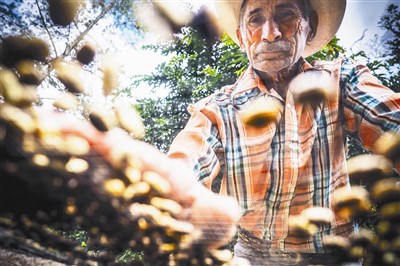
Comment on Nicaraguan Coffee Flavor Central American Coffee beans from Central America
Nicaraguan coffee Nicaragua coffee flavor characteristics: moderate acidity, fragrant and delicious. Nicaraguan coffee of high quality is in the forefront of coffee beans in the world and enjoys a good reputation. Its particles are moderate in size, mild in taste and very aromatic and mellow. Nicaragua is located in central Central America, bordered by the Pacific Ocean to the west and the Caribbean Sea to the east. The highlands in the north and the coastal plains in the east
2016-01-21 Nicaragua Coffee Flavor Review Central America Origin introduction America coffee beans
Nicaraguan Coffee treated with Water in Central America Matagalpa is introduced.
The suitable climate provides an excellent growth environment for the cultivation of coffee. The mineral-rich pozzolanic soil provides abundant nutrients for the cultivation of coffee trees. High-quality Nicaraguan coffee is also grown in the northern and central highlands of the country. The best coffee is produced in Matagalpa (Matagalpa), which is highly respected by coffee lovers all over the world.
2016-06-29 Central America Central use washing treatment Nicaragua Coffee introduction Mataga
Introduction of Nicaraguan boutique coffee in central Central America Nicaraguan coffee flavor in Matagalpa
Nicaragua is now one of the poorest countries in Central America. Due to its poor economic foundation, the coffee industry is still relatively backward, while coffee farmers are in extreme poverty. Fortunately, Nicaraguan coffee has received some foreign aid funds to improve the quality of its coffee. Coffee from Madagelba, Sinodega and Segovia in Nicaragua
2016-07-29 Central America Nicaragua boutique coffee introduction Mataga Erpa producing area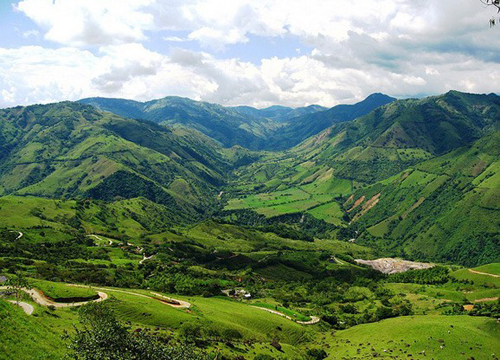
The ancestor of coffee in Central and South America, the most important coffee producing area in the world, the coffee consumed around the world.
Central and South America is now the most important coffee producing area in the world, accounting for more than half of the coffee beans consumed in the world. When it comes to the ancestor of Coffee in Central and South America, we have to mention an island, Martinique, and a soldier, Deckley. In 1723, de Klee, a French naval officer who returned home on leave, got a coffee seedling. Dirkley finally planted the coffee seedling.
2016-04-08 Central and South America coffee ancestor world most important producing area global consumption medium
Introduction of Colombian coffee beans in northwestern South America
The National Coffee Management Association of Colombia, like the National Management Association of Kenya, is a model of coffee organization. Compared with other producing countries, Colombia is more concerned with developing products and promoting production. It is this, coupled with its superior geographical and climatic conditions, that makes Colombian coffee excellent in quality and delicious and famous all over the world. The status of coffee in Colombia comes from the following examples
2016-06-21 South America Northwest Colombia Coffee beans introduction country Coffee